
Pier & Beam Crawl Space Leaks
Leaks under raised Heights bungalows, with wet subfloors, joists and insulation dried from the crawl space.
View service (833) 829-0018

The Heights, Houston TX
Water dripping into the crawl space under a 1920s bungalow, a ceiling stain on the second floor of a townhome under a roof deck, street water creeping up the front steps during a tropical storm. One call reaches a local restoration company that can dry it out.
Have your 5-digit ZIP code ready. A short prompt connects you to a local provider.
Water damage restoration in the Houston Heights covers stopping the source, extracting water, drying subfloors, joists, crawl spaces, drywall and framing with dehumidifiers and air movers while checking moisture daily, cleaning and disinfecting after flood water, and rebuilding what was removed. The Heights sees crawl space leaks under raised bungalows, multi-story townhome leaks, bayou and street flooding, storm leaks and mold.
The basics
Water damage restoration in the Heights takes a wet home back to dry and repaired. In a raised bungalow, water usually comes from plumbing under the floor or from the roof. In a newer three-story townhome, it comes down from upper bathrooms, laundry rooms and roof decks. And in big storms, it can come in from the street.
Choose the page that fits. Leaks under a raised house are pier-and-beam crawl space leaks. Water coming down through floors of a townhome is townhome and multi-story leaks. Rising water from outside is flood and bayou water cleanup. Wind-driven rain is storm and hurricane roof leaks. Pipes split by cold are freeze and burst pipe damage, and growth after any of these is mold remediation.
Neighborhoods vary: Victorians and bungalows in the Heights historic districts and early bungalows in Woodland Heights and Norhill.
Now
Close the main or the fixture valve. If water is coming from outside, do not try to block it with your body; protect yourself first.
Do not touch outlets or cords near water. If water is near the panel, leave the power alone and wait for help.
Photograph the water level, the source and every wet room. For floods, mark the water line on walls.
Call (833) 829-0018. Houston humidity speeds up mold, so drying should start as soon as the water is stopped.
The water category decides what is dried and what is removed.
Category 1 is clean: a supply line, a water heater or fresh rain. Floors and walls can often be dried in place.
Category 2 is gray: washer or dishwasher drain water, or clean water that sat a day or two in Houston heat. More cleaning and removal.
Category 3 is black: sewage, or flood water from the street or bayou. Porous materials it touched are removed, and everything else is disinfected. After a Houston flood, that usually means drywall, insulation and flooring up to above the water line.
Restoration companies covering the Heights keep crews on call through nights and weekends. Most callers get an arrival window right away and a same-day visit. After a major storm or freeze, demand jumps across Houston, so call as soon as it is safe.
Tell them whether it is a raised house or a townhome and whether the water came from inside, the roof or outside.
In a pier-and-beam bungalow, water from a plumbing leak falls into the crawl space and soaks the subfloor from below. Crews dry from underneath, pull wet insulation and replace the vapor barrier, which often lets the original pine floors above survive. In a slab-built townhome, water spreads across the floor and down through the levels instead.
Services
Each page explains one kind of job in plain words and what to ask before it begins.
Leaks under raised Heights bungalows, with wet subfloors, joists and insulation dried from the crawl space.
Water from third-floor baths, roof decks and stacked plumbing in newer Heights townhomes, traced and dried.
Rising water from White Oak Bayou and overwhelmed streets cleaned out and the house dried and disinfected.
Wind-driven rain through roofs, windows and siding after Gulf storms, dried out of attics, ceilings and walls.
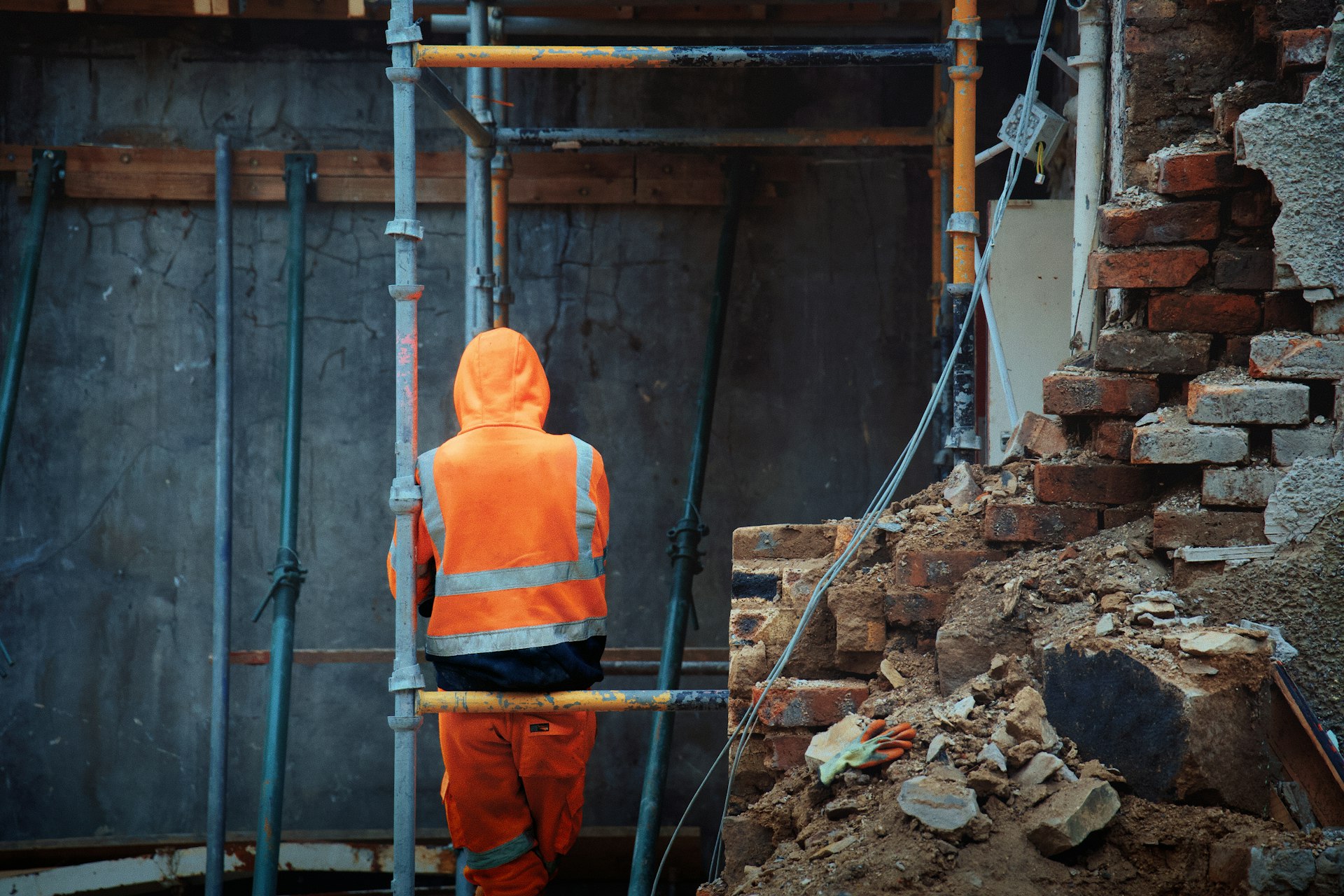
Pipes that froze in crawl spaces, attics and outside walls during a hard freeze, and the rooms they soaked.
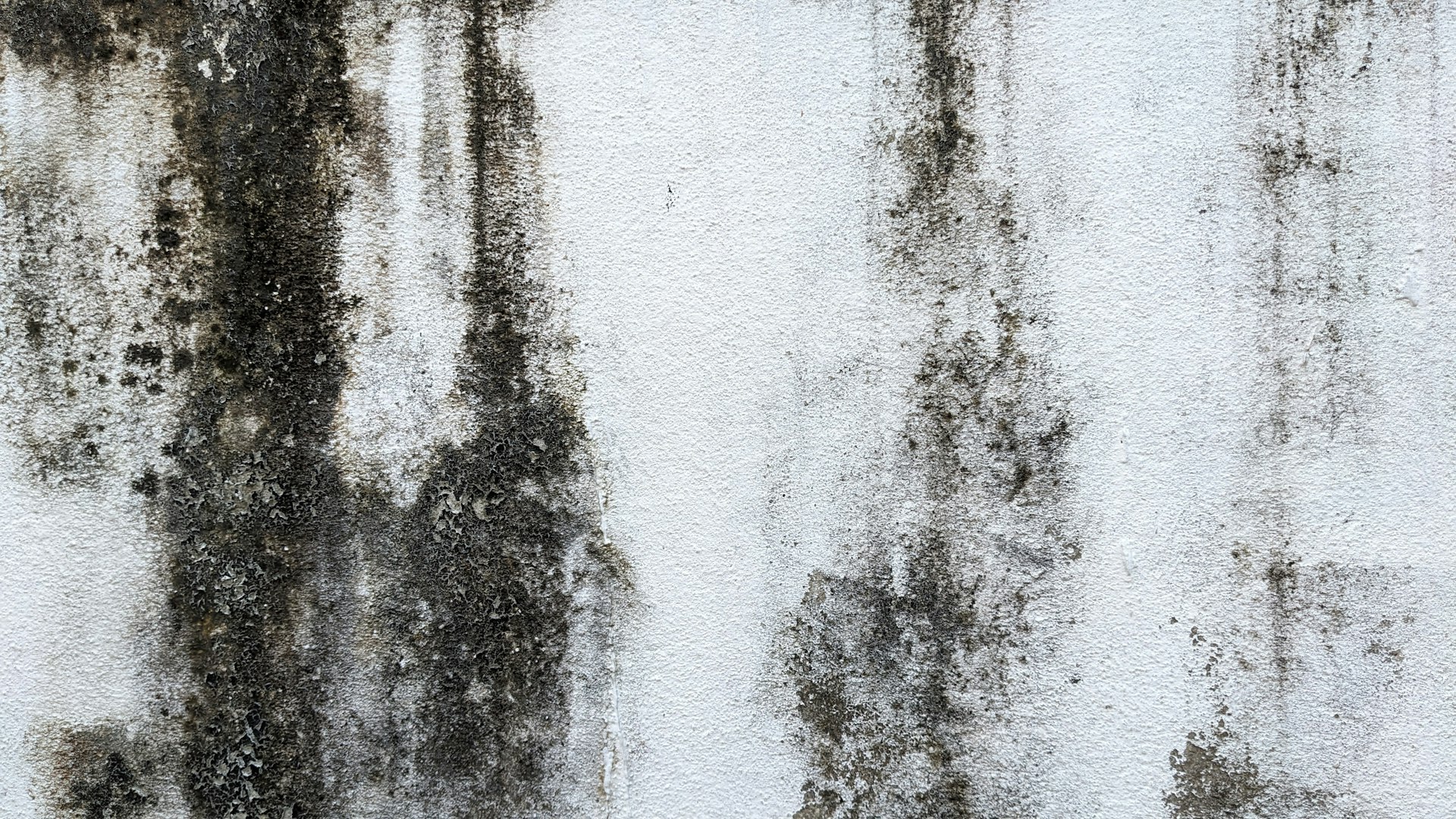
Mold fed by Houston humidity and hidden leaks, removed under Texas licensing rules for larger areas.
Texas licenses plumbers through the Texas State Board of Plumbing Examiners, and mold jobs over 25 contiguous square feet need licensed professionals under TDLR mold licensing. Restoration companies are not state-licensed, so ask about IICRC training and request proof of insurance. In the historic districts, exterior changes may also need city approval.
Houston Heights was founded in 1891 by Oscar Martin Carter and the Omaha and South Texas Land Company as a planned suburb on higher ground northwest of downtown, with Heights Boulevard and its wide esplanade at its center. It was its own city until Houston annexed it in 1918. Today the area includes several city historic districts, the Heights Hike and Bike Trail along the old rail line, and busy commercial streets like 19th Street and White Oak Drive.
The housing is the key to the water calls. Older Victorians and Craftsman bungalows sit on raised pier-and-beam foundations, with plumbing in the crawl space and original longleaf pine floors above. Since the 2000s, many lots have been rebuilt with two- and three-story townhomes on slabs, with stacked bathrooms and rooftop decks. White Oak Bayou and Little White Oak Bayou border the area, and Houston's heavy rains, tropical storms and humidity test every house. Hurricane Harvey in 2017 flooded low streets near the bayou.
Water and sewer come from Houston Public Works. The city maintains the mains and meters. The service line on your side of the meter, the plumbing in and under the house, and the private sewer line are the owner's responsibility.
A careful crew checks the crawl space or every floor of a townhome with a meter, explains what can be dried and what must go, and leaves a written plan. They come back daily to read meters and adjust, and you get photos and readings for your insurer.
Photograph first, then call your insurer. Houston restoration companies work with insurers every day and many bill directly. Sudden leaks and wind damage are usually covered under homeowners policies, which may carry a windstorm deductible; rising water needs flood insurance.
After drying: subfloor and drywall repair, insulation, paint and flooring. In historic districts, exterior changes may need approval. Ask whether the crew can match original trim and pine.
Calls also come from rental bungalows, townhome communities and shops along 19th Street and White Oak Drive. Same steps, with more coordination.
Know where your main valve is and test it. Look into the crawl space or check upper-floor bathrooms after big storms. Keep gutters and roof deck drains clear. Those habits prevent many of the leaks that become water damage in the Heights.
In Houston heat and humidity, mold can start on wet drywall, insulation and wood within a couple of days. That is why the first visit focuses on getting dehumidifiers running, and why flood-soaked materials come out quickly instead of waiting to see if they dry.
Longleaf pine floors, shiplap walls and old millwork in Heights bungalows are hard to replace and often survive water if they are dried slowly and carefully. Fast, hot drying can split old wood and crack plaster, so good crews control humidity and airflow and measure every day. Ask before anything original is torn out, and ask what the moisture readings say.
In newer townhomes the priority is different: drywall, insulation and engineered floors are replaced more readily, and the focus is on finding every wet spot across three floors.
Photos




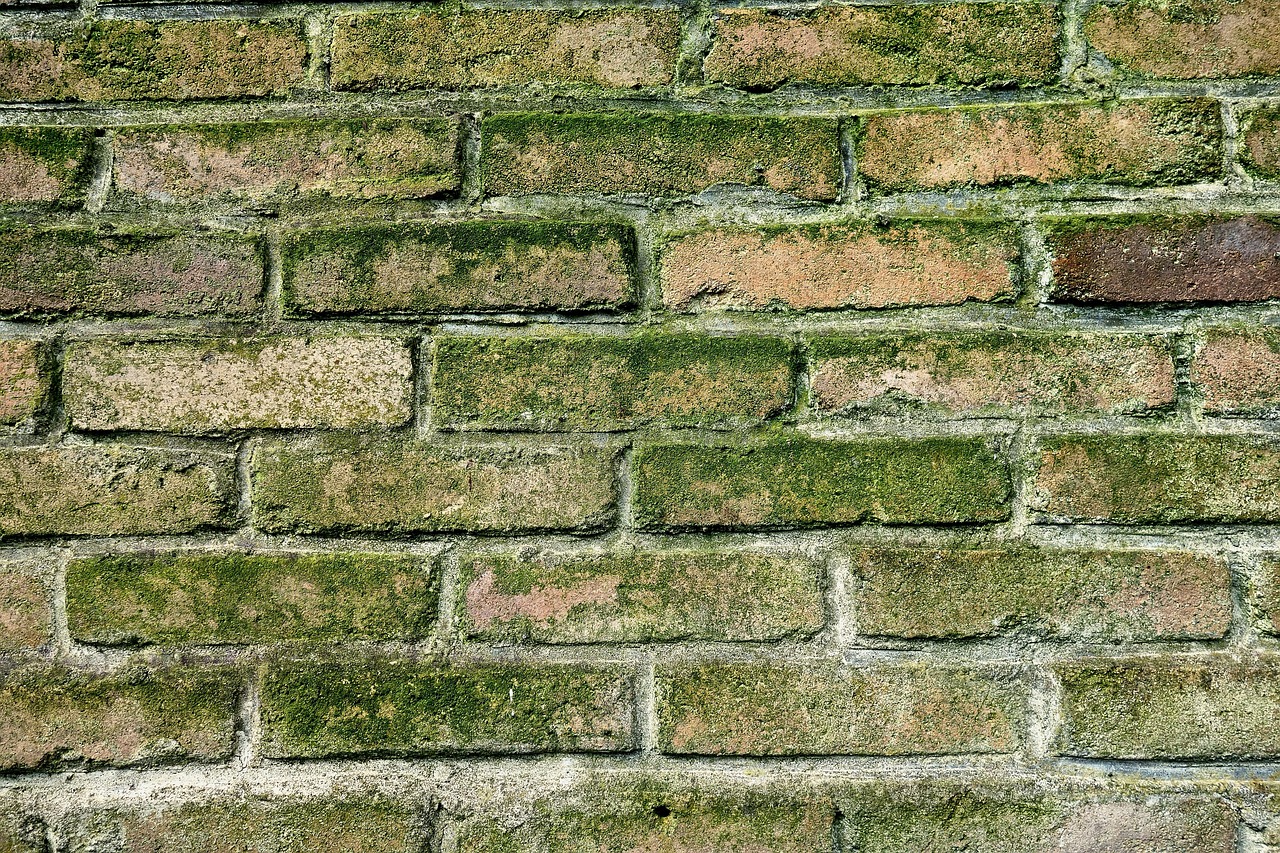
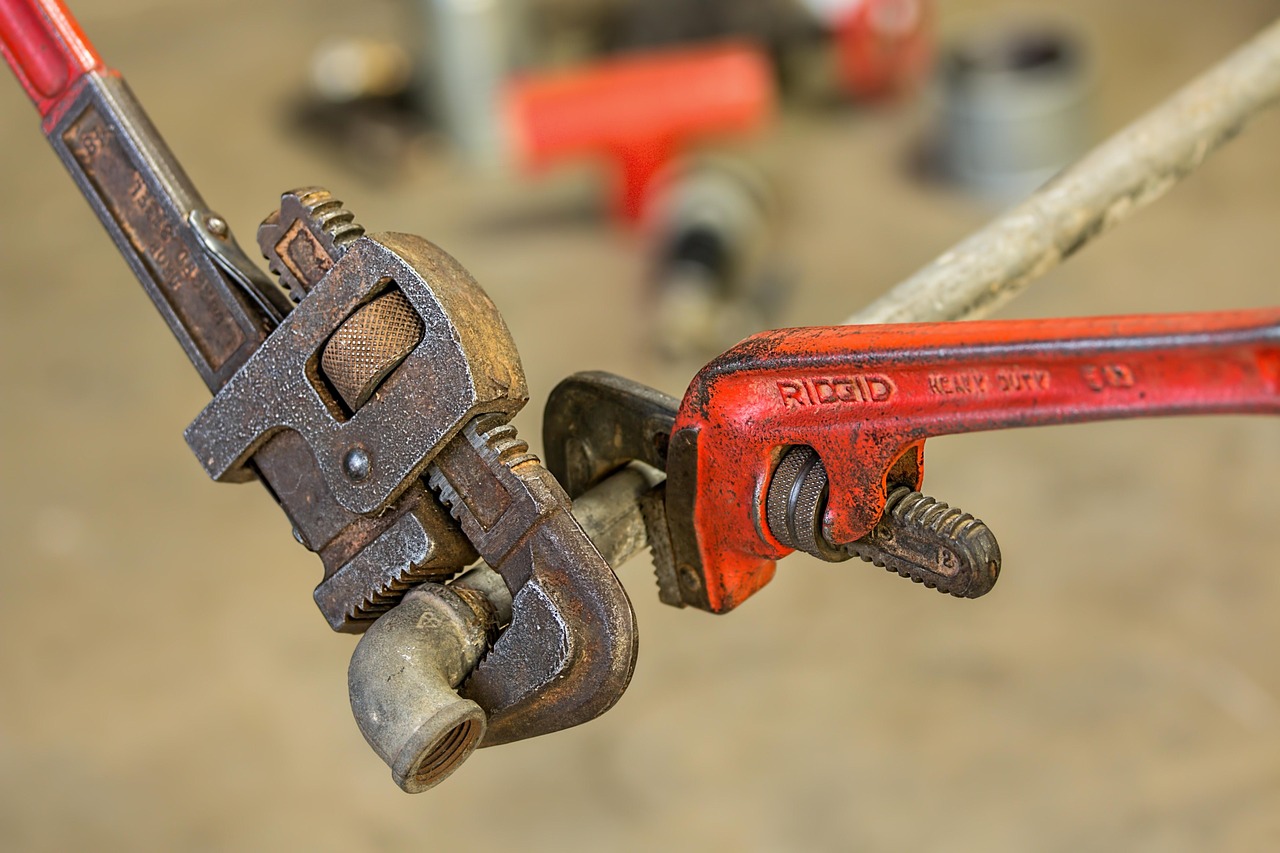
Stock images of jobs similar to what Houston crews handle.
FAQ
Close the main water valve. Older Heights homes often have it near the front of the house or at the meter by the street; townhomes may have it in a utility closet or garage. If water is rising from outside, move to higher ground and call 911 if it is dangerous. Then photograph and call.
Yes. Crews dry the subfloor and joists from the crawl space with dehumidifiers and air movers, and often save original pine floors if they act quickly.
Not by standard homeowners policies. Flood insurance through the NFIP or a private flood policy covers rising water. Rain through a damaged roof is usually covered by homeowners insurance.
Usually three to five days for clean water. Houston humidity and flood water can make it longer.
Call a Houston crew
One call reaches a restoration company that works across the Heights, from Heights Boulevard and the historic districts to Woodland Heights and Norhill. They explain the plan and pricing first.
(833) 829-0018Have your 5-digit ZIP code ready. A short prompt connects you to a local provider.